









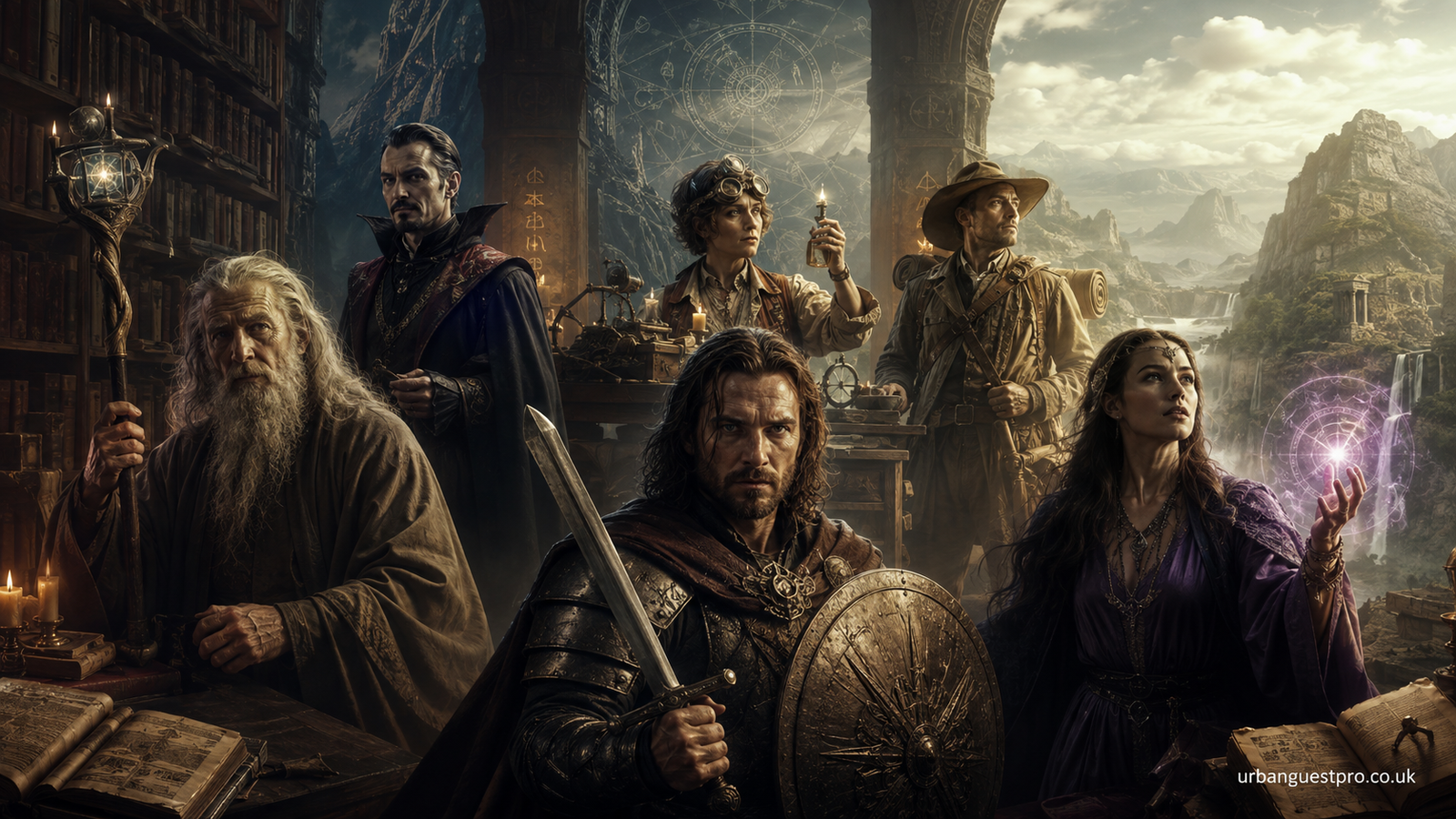
Every memorable story has characters that feel familiar. A brave hero, a wise mentor, a dangerous villain, or a funny companion can instantly connect with audiences because these personalities represent patterns people recognize. These patterns are called character archetypes.
Writers, filmmakers, game designers, and storytellers use archetypes to create believable personalities and stronger emotional connections. From ancient myths to modern movies, these character patterns continue to shape the way stories are created.
Many people ask, what are character archetypes and why do they matter? Simply put, character archetypes are recurring personality models that represent common human behaviors, motivations, fears, and goals.
This guide explains the character archetypes definition, the most popular types, examples from fiction, and how they are used in literature, movies, fantasy, anime, and games.
Character Archetypes Definition and Meaning
The character archetypes meaning refers to universal character patterns that appear across different cultures and storytelling traditions. These patterns help writers quickly communicate a character’s role and personality.
The concept became widely recognized through the work of psychologist Carl Jung. The idea of Jungian character archetypes suggests that humans share certain unconscious patterns that influence stories, myths, and personalities.
The Carl Jung character archetypes theory inspired many modern storytelling systems, including the famous 12 archetypes used by writers today.
What Are Character Archetypes?
So, what are the character archetypes exactly?
Character archetypes are not fixed characters. They are flexible templates that writers can adapt. A hero does not always have to be perfect, and a villain does not always have to be completely evil.
For example:
- A hero can struggle with fear.
- A mentor can have personal weaknesses.
- A villain can have understandable motivations.
These variations make characters more realistic and interesting.
The 12 Character Archetypes Chart
The most popular system includes 12 character archetypes based on personality, motivation, and storytelling purpose.
| Character Archetype | Main Motivation | Common Traits |
|---|---|---|
| The Hero | Prove worth and overcome challenges | Brave, determined, courageous |
| The Innocent | Find happiness and safety | Optimistic, honest |
| The Explorer | Seek freedom and discovery | Curious, independent |
| The Sage | Find knowledge and truth | Wise, analytical |
| The Rebel | Challenge authority | Bold, rebellious |
| The Magician | Create transformation | Visionary, powerful |
| The Regular Person | Belong and connect | Friendly, realistic |
| The Lover | Find relationships and passion | Emotional, caring |
| The Jester | Create joy | Funny, playful |
| The Caregiver | Protect others | Kind, supportive |
| The Creator | Build something meaningful | Creative, imaginative |
| The Ruler | Control and organize | Responsible, powerful |
These are known as the 12 character archetypes and are among the most commonly used storytelling frameworks.
Character Archetypes List With Examples
A complete character archetypes list can include hundreds of variations. However, the following are some of the most recognized examples.
Hero Character Archetype
The hero is one of the most important main character archetypes.
Hero characters usually:
- Face difficult challenges
- Grow through conflict
- Protect others
- Transform throughout the story
Examples include classic adventure protagonists and many characters found in fantasy novels.
The hero’s journey character archetypes often follow Joseph Campbell’s storytelling model, where the hero leaves their ordinary world, faces trials, and returns changed.
Mentor Character Archetype
The mentor provides guidance, knowledge, or training.
Common examples:
- Wise teachers
- Experienced warriors
- Magical guides
Mentors appear frequently in character archetypes in literature, movies, and fantasy stories.
Villain Character Archetype
The villain creates conflict and challenges the hero.
Common villain traits include:
- Ambition
- Power seeking
- Revenge
- Fear of losing control
The villain character archetypes category includes many variations such as the tyrant, mastermind, corrupt leader, and dark rival.
Character Archetypes in Literature
Character archetypes in literature have existed for thousands of years.
Ancient myths, legends, and classic novels often use recognizable character patterns. The literary character archetypes found in books help readers quickly understand character roles.
Common examples include:
| Literary Archetype | Example Role |
| Hero | Main protagonist |
| Mentor | Guide or teacher |
| Trickster | Creates unexpected changes |
| Shadow | Represents conflict |
| Herald | Announces a challenge |
| Ally | Supports the hero |
The list of character archetypes in literature continues to expand as new genres develop.
Fantasy Character Archetypes
Fantasy stories rely heavily on recognizable roles. Fantasy character archetypes often include:
- The chosen hero
- The powerful wizard
- The loyal warrior
- The mysterious rogue
- The dark lord
- The magical creature
The character archetypes fantasy genre uses these patterns because they help create large worlds with clear conflicts.
Fantasy role-playing games also use similar systems.
RPG and D&D Character Archetypes
Games use archetypes to define player roles. RPG character archetypes help players choose how they want to interact with a fictional world.
Popular examples include:
- Warrior
- Mage
- Healer
- Rogue
- Ranger
- Tank
The DND character archetypes system uses classes and personalities to create unique adventures.
Video games also use video game character archetypes, especially in fighting games and role-playing games.
Anime Character Archetypes
Anime has developed many unique personality patterns. Anime character archetypes often include:
- The quiet genius
- The energetic protagonist
- The rival
- The mysterious outsider
- The loyal friend
Japanese character archetypes are especially popular because Japanese storytelling often focuses on emotional growth and relationships.
Female and Male Character Archetypes
Writers often explore different personality patterns through gender-based storytelling.
Female Character Archetypes
A female character archetypes list may include:
- The warrior woman
- The healer
- The queen
- The mysterious girl
- The rebel
Male Character Archetypes
Common male character archetypes include:
- The hero
- The warrior
- The leader
- The explorer
- The outsider
Modern storytelling often combines these traits instead of following traditional roles.
Character Archetypes in Movies and TV Shows
Character archetypes in movies make stories easier for audiences to understand.
Popular movie character archetypes include:
- The hero
- The villain
- The comic relief
- The mentor
- The love interest
Genres also create their own patterns.
Examples:
Horror Character Archetypes
Horror character archetypes often include:
- The survivor
- The skeptic
- The final girl
- The monster
- The victim
Murder Mystery Character Archetypes
Common murder mystery character archetypes include:
- The detective
- The suspect
- The hidden villain
- The witness
Film Noir Character Archetypes
Noir character archetypes often feature:
- The detective
- The femme fatale
- The corrupt official
- The mysterious stranger
Character Archetypes in Gaming
Gaming uses archetypes to create balanced characters.
Examples include:
Fighting Game Character Archetypes
Games such as Street Fighter, Tekken, and Smash use different fighting styles.
Common fighting game character archetypes include:
- Rushdown fighters
- Defensive characters
- Grapplers
- Zoners
Searches like SF6 character archetypes, Street Fighter 6 character archetypes, Tekken 8 character archetypes, and Smash Ultimate character archetypes are popular among competitive players.
Character Archetypes vs Personality Types
Character archetypes focus on storytelling roles, while personality types describe individual behavior.
A character can be:
- A hero archetype with a shy personality
- A villain archetype with emotional weaknesses
- A mentor archetype with humor
This flexibility allows writers to create deeper fictional characters.
How Many Character Archetypes Are There?
Many people ask, how many character archetypes are there?
There is no single official number.
Popular systems include:
- 7 character archetypes
- 8 character archetypes
- 12 character archetypes
- 77 character archetypes
The number depends on the storytelling framework being used.
Frequently Asked Questions About Character Archetypes
What are some character archetypes?
Some common character archetypes include heroes, villains, mentors, rebels, explorers, creators, caregivers, and tricksters.
What are the 12 character archetypes?
The 12 major archetypes are Hero, Innocent, Explorer, Sage, Rebel, Magician, Regular Person, Lover, Jester, Caregiver, Creator, and Ruler.
What are character archetypes in stories?
Character archetypes in stories are repeated personality patterns that help writers create recognizable roles.
What are the best archetypes for each character metaphor?
The best archetype depends on the character’s goal, conflict, and transformation. A brave character may fit the Hero, while a guide may fit the Sage or Mentor.
Are character archetypes only used in books?
No. They are used in movies, TV shows, anime, video games, advertising, and mythology.
Final Thoughts
Character archetypes are powerful tools that help writers create memorable stories. From Jungian character archetypes to modern movie and gaming roles, these patterns continue influencing storytelling worldwide.
Whether you are writing a novel, designing a game character, creating a screenplay, or studying literature, understanding archetypes can help build stronger personalities and more engaging narratives.